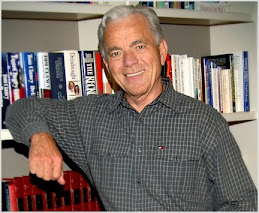
Billionaire, Bill Bartmann, has discovered that self esteem is crucial to your success and your life. It is very important because it affects how you think, act and relate to other people.
Billionaire, Bill Bartmann, has discovered that self esteem is crucial to your success and your life. It is very important because it affects how you think, act and relate to other people. Low self esteem means negative thoughts and poor self-confidence which affects your potential to be successful. Your self esteem has a direct bearing on your happiness and well being.
Why is Self-Esteem Important?
• Self esteem affects your confidence and your self image
• Self esteem affects your outlook on life
• Self esteem affects your behavior, your thinking and your happiness
• Self esteem affects your ability to succeed in your career
You must value yourself in order to be valuable to others. Your self esteem can be the difference between success and failure. Your potential to achieve your goals and what you value the most is directly related to your self esteem. You are much more likely to fail if you have a low self esteem.
Bill Bartmann has experienced ups and downs, but not failure. Though he has built two different multi-million dollar businesses that went bankrupt, he did not fail. He learned from his experience and he bounced back. Everyone has ups and downs, or they would not be human; how you react to and deal with the ups and downs is directly related to your self-esteem.
Bill Bartmann believes in the importance of positive thinking to increase one’s self-esteem to benefit in all areas of life; work and play. Positive thinking and self-confidence are the keys to maintaining a high self-esteem.
Self-Esteem and Self-Confidence
Self esteem and self confidence go together; they are both vital to happiness and success. Lack of self confidence hinders your ability to face life’s challenges and cope with life’s difficulties.
Self confidence comes from within yourself, from others and from your accomplishments. If you are lacking in self confidence it could be that you are overly critical of yourself. Do you expect to fail? Do you think you are not good enough? Do you believe others when they make negative comments about you? It could be that they lack self confidence; therefore, they feel better when they put you down. Do not accept negative comments from others; prove them wrong.
Building Self-Confidence
Bill Bartmann has had his moments of feeling down and out; everyone does at some point in their life. It’s part of what makes us human. The important thing is to recognize what is happening and respond to it in a positive way. When you find yourself being negative, ask yourself if it really is true. Are you really stupid? Is it true that you are hopeless and that you cannot succeed?
The key to building self-confidence is to end the negative thinking. Question the negative thoughts you may be having and you will see that they are distorted. Think of what you have achieved and what you can do to continue moving forward. If things are really bad, you might need to step away and focus on something else, and then come back to address the problem later. Read an inspirational book or try watching a comedy. Like the feature in Reader’s Digest, “Laughter is the Best Medicine.”
Here are some tips from Bill Bartmann for building self confidence:
• Surround yourself with others who are self-confident
• Model their attitude; what makes them appear confident?
• Focus on your strengths rather than your weaknesses; your achievements rather than your failures
• Act confident to feel confident
• Set small, reachable goals; when you achieve them, set new ones
• Reward yourself each time you reach one of your goals
• Remember to relax and take time for recreation
• Take care of yourself, physically; eat right and exercise. Caring for the body helps care for the brain.
Negative thinking is the biggest obstacle to high self-esteem and self confidence. Avoid contact with people who are always down on themselves. Do not expect too much; set small goals rather than overwhelming yourself with unrealistic goals. It’s OK to have a large, long-term goal, but setting and meeting smaller goals gives you a sense of pride and accomplishment as you get closer to reaching your ultimate goal. It also leaves room for changing direction when necessary rather than feeling you have failed if you do not reach the goal you have set.
Bill Bartmann is a self-made billionaire who went from homeless at the age of 14 to becoming a billionaire, going bankrupt, then bouncing back to do it again! Bill has had his self-doubts and even bouts of depression; he wouldn’t be human otherwise. However, when self-esteem is strong and you’re clear about your values, then you can bounce back from the lows; each time, you bounce back just a little bit higher. Learn more at http://www.billionaireu.com
Tuesday, February 3, 2009

Bill Bartmann is known as the billionaire nobody knows. His story began when he left home at the age of 14 and joined a street gang.
Bill Bartmann is known as the billionaire nobody knows. His story began when he left home at the age of 14 and joined a street gang. Being the smallest member, weighing 98 pounds did not stop him from picking fights with the big guys. Bill Bartmann still possesses great strength and determination today; a trait that has stuck with him throughout his many business ventures.
Bill Bartmann learned at a very young age that self-esteem plays a large role in your life and is a major key to success. Your self-image drives everything that you do; your self-image is linked to your self-esteem and self-confidence. According to Bill Bartmann, when you improve your self-esteem then improvements in your life will naturally follow.
What is Self-Esteem?
Esteem is to value highly, to have great regard for, to have a favorable opinion of, etc… To have high self-esteem is to have high regard for you, to like yourself, to have a favorable opinion of yourself. People with low self-esteem do not see themselves as being valuable; they do not feel in charge of their lives. They often feel left out, like outsiders, unimportant, as if they don’t matter.
Low Self-Esteem
There are two types of personalities shared by people with low self esteem. One is the type that always seems to be very negative, the under achiever, the one who says “I can’t.” The other is the one who seem to be a very confident, take charge type of person; they are often in positions of leadership, they are very opinionated and controlling. This type of person possesses several negative traits when things go wrong; they are very demanding and self-centered; they want to blame someone, eat them alive. Though they may appear to be very independent and self-sufficient, they really cannot take criticism or listen to instructions. Though they may be in a leadership position, they really are not true leaders. This type of person with low self-esteem will often deny that anything is wrong because they are in charge. They are actually hiding behind this attitude as their protection; when one is truly in charge of their life, they do not possess all the anger and irritation nor do they have the desire to control others.
High Self-Esteem
One who has a high self-esteem will take full responsibility for their own life, letting others make their own decisions and letting others be responsible for their own actions.
Those with high-self esteem are in charge of their own lives; they are not afraid to ask themselves what they could be doing wrong or what they could do to improve a situation. They take responsibility for what happens rather than try to blame someone else. When things go wrong, rather than say “I just don’t have enough money, I need a better job or if he did this or she didn’t do that, etc…” they brainstorm the situation, be creative, they ask themselves what they can do to change the situation. Those with true self-esteem value themselves; they say “I can do this, I can improve the situation, and I can make my life what I want it to be.”
Develop High Self-Esteem
Get in touch with your true self; be aware of who irritates you and who you can identify with. Be aware of the times when you are frustrated, depressed, discouraged, or out of control. Also be aware of the times when you are feeling confident, independent, and self-sufficient. You want to meet somewhere in the middle; be responsible for your life and your actions while allowing others in. Be self-sufficient; yet not opinionated and critical. Be open to the ideas of others but take responsibility for the choices you make.
Bill Bartmann has had his share of self-doubt and even times of depression; he wouldn’t be human otherwise. According to Bill Bartmann, when your self-esteem is strong and when you are clear about your core values, the things you stand for and what you are willing to compromise on, then you bounce back from the lows in life.
Bill Bartmann has had his share of ups and downs; and each time, he has bounced back just a little bit higher.
Widely-acclaimed as America’s quintessential “rags to riches” billionaire, Bill Bartmann’s personal ethics and innovative thinking propelled him through a devastating series of personal and financial setbacks. His dynamic presentation will build your confidence and inspire you to overcome the obstacles in your path to achievement. Learn more at http://www.billionaireu.com
Bill Bartmann learned at a very young age that self-esteem plays a large role in your life and is a major key to success. Your self-image drives everything that you do; your self-image is linked to your self-esteem and self-confidence. According to Bill Bartmann, when you improve your self-esteem then improvements in your life will naturally follow.
What is Self-Esteem?
Esteem is to value highly, to have great regard for, to have a favorable opinion of, etc… To have high self-esteem is to have high regard for you, to like yourself, to have a favorable opinion of yourself. People with low self-esteem do not see themselves as being valuable; they do not feel in charge of their lives. They often feel left out, like outsiders, unimportant, as if they don’t matter.
Low Self-Esteem
There are two types of personalities shared by people with low self esteem. One is the type that always seems to be very negative, the under achiever, the one who says “I can’t.” The other is the one who seem to be a very confident, take charge type of person; they are often in positions of leadership, they are very opinionated and controlling. This type of person possesses several negative traits when things go wrong; they are very demanding and self-centered; they want to blame someone, eat them alive. Though they may appear to be very independent and self-sufficient, they really cannot take criticism or listen to instructions. Though they may be in a leadership position, they really are not true leaders. This type of person with low self-esteem will often deny that anything is wrong because they are in charge. They are actually hiding behind this attitude as their protection; when one is truly in charge of their life, they do not possess all the anger and irritation nor do they have the desire to control others.
High Self-Esteem
One who has a high self-esteem will take full responsibility for their own life, letting others make their own decisions and letting others be responsible for their own actions.
Those with high-self esteem are in charge of their own lives; they are not afraid to ask themselves what they could be doing wrong or what they could do to improve a situation. They take responsibility for what happens rather than try to blame someone else. When things go wrong, rather than say “I just don’t have enough money, I need a better job or if he did this or she didn’t do that, etc…” they brainstorm the situation, be creative, they ask themselves what they can do to change the situation. Those with true self-esteem value themselves; they say “I can do this, I can improve the situation, and I can make my life what I want it to be.”
Develop High Self-Esteem
Get in touch with your true self; be aware of who irritates you and who you can identify with. Be aware of the times when you are frustrated, depressed, discouraged, or out of control. Also be aware of the times when you are feeling confident, independent, and self-sufficient. You want to meet somewhere in the middle; be responsible for your life and your actions while allowing others in. Be self-sufficient; yet not opinionated and critical. Be open to the ideas of others but take responsibility for the choices you make.
Bill Bartmann has had his share of self-doubt and even times of depression; he wouldn’t be human otherwise. According to Bill Bartmann, when your self-esteem is strong and when you are clear about your core values, the things you stand for and what you are willing to compromise on, then you bounce back from the lows in life.
Bill Bartmann has had his share of ups and downs; and each time, he has bounced back just a little bit higher.
Widely-acclaimed as America’s quintessential “rags to riches” billionaire, Bill Bartmann’s personal ethics and innovative thinking propelled him through a devastating series of personal and financial setbacks. His dynamic presentation will build your confidence and inspire you to overcome the obstacles in your path to achievement. Learn more at http://www.billionaireu.com
Bill Bartmann’s Words of Inspiration are worth a Billion Dollars
Bill Bartmann has written articles and taught his students that self-image, self-confidence and self-esteem are all vital to one’s happiness and success. Mental health and physical health also play a major role in our relationships with others, both personal and at work. One of his most recent articles about self-talk explains how our thoughts influence our ability to face challenges and meet goals.
Bill Bartmann Inspires Us
We all could use a little inspiration; words can be motivating. Repeating inspirational phrases leads to positive affirmations. Here are some famous inspirational phrases that you have probably heard before:
Don’t be afraid to go out on a limb…that’s where the fruit is
Nothing profits more than self-esteem, grounded on what is just and right
Those who follow the crowd are quickly lost in it
You will not succeed if you do not try
You’re sure to miss out if you don’t venture out
It is never too late to become what you might have been
Words of encouragement help to inspire positive thoughts; repeating them to yourself can change the way you feel about a situation.
Bill Bartmann Reaffirms his Feelings
I will succeed
I can choose to be happy
I have the power to change myself
I deserve love, respect and friendship
I can forgive myself when I make a mistake
I understand others and can forgive them their mistakes
I can decide for myself
I am open to changes in all aspects of life
Self affirmation is important to building self-esteem. Keep inspiring yourself and others and you will experience improved self-confidence.
A Quote by Bill Bartmann
Bill Bartmann says, “Sometimes you need a negative motivator to build your self-esteem.” He explains that if you have a positive self-image, you can separate specific failures from who you really are. “Any failure can be overcome if you don’t over-generalize it,” he says. “You have to see it as something that happened to you. It doesn’t determine your real value. The main cause of failure is the inability to deal with self-doubt.”
Bill Bartmann Inspires Us
We all could use a little inspiration; words can be motivating. Repeating inspirational phrases leads to positive affirmations. Here are some famous inspirational phrases that you have probably heard before:
Don’t be afraid to go out on a limb…that’s where the fruit is
Nothing profits more than self-esteem, grounded on what is just and right
Those who follow the crowd are quickly lost in it
You will not succeed if you do not try
You’re sure to miss out if you don’t venture out
It is never too late to become what you might have been
Words of encouragement help to inspire positive thoughts; repeating them to yourself can change the way you feel about a situation.
Bill Bartmann Reaffirms his Feelings
I will succeed
I can choose to be happy
I have the power to change myself
I deserve love, respect and friendship
I can forgive myself when I make a mistake
I understand others and can forgive them their mistakes
I can decide for myself
I am open to changes in all aspects of life
Self affirmation is important to building self-esteem. Keep inspiring yourself and others and you will experience improved self-confidence.
A Quote by Bill Bartmann
Bill Bartmann says, “Sometimes you need a negative motivator to build your self-esteem.” He explains that if you have a positive self-image, you can separate specific failures from who you really are. “Any failure can be overcome if you don’t over-generalize it,” he says. “You have to see it as something that happened to you. It doesn’t determine your real value. The main cause of failure is the inability to deal with self-doubt.”
Tuesday, January 20, 2009
Bouncing Bill Bartmann: From Billionaire to Bankruptcy - Bouncing Back to Billionaire - Bill Bartmann's Experience
BY SCOTT S. SMITH
Bill Bartmann is worth hundreds of millions of dollars—and most people have never heard of him. It is quite possible that this entrepreneur started off with less and has overcome more than any other person to appear on the Forbes 400 list. After the roller coaster of events that have defined his career, Bartmann started the Billionaire Business School. His seminars and workshops aim to show people that they, too, can follow in his footsteps, regardless of how much money they have or any obstacles that may stand in the way.
Bartmann was one of eight children, born to a father who never earned more than $6,000 a year as a janitor and a mother who cleaned houses in an attempt to make ends meet. Lining up each month to receive government food handouts was a common family trip. They moved often in his first 14 years, and several of the houses were condemned as unfit for human habitation.
At 14, Bartmann left his family. He joined a street gang, got rejected by the Marines and joined a traveling carnival. This was followed by a string of low-wage jobs that included logging, laying sod and washing cars. Things were not looking good.
Then, the real bad luck started. When Bartmann was 17, he came home intoxicated one night and fell down a flight of stairs, paralyzing him from the waist down. Although the doctor said he would never walk again, Bartmann was determined to prove him wrong. Five months of hard work and determination later, he walked out of the hospital on his own two feet.
“Sometimes you need a negative motivator to build your self-esteem,” Bartmann says. He explains that if you have a positive self-image, you can separate specific failures from who you really are. “Any failure can be overcome if you don’t over-generalize it,” he says. “You have to see it as something that happened to you. It doesn’t determine your real value. The main cause of failure is the inability to deal with self-doubt.”
Bartmann emphasizes the idea that you have to work hard for something rather than just sit around and wish for it. Case in point: He took the high school graduation equivalency test, put himself through college and, in 1975, graduated from law school. After practicing law for five years, he started his first company, in real estate development, which gave him the experience he needed for his foray into oil and gas drilling.
Bartmann’s first big break came in the mid’80s when, at the request of a local bank in Muskogee, OK, he took over bankrupt Hawkeye Pipe Services, a pipe manufacturer for oil rigs. He told the bank the business was still viable, got funding for it, and under his leadership, the company had sales of $1 million a month. Then, in October 1985, with the OPEC oil cartel in disarray, prices fell dramatically. Bartmann was forced to close the company and left with $1 million in debt.
Soon after, creditors were hounding Bartmann at all hours, demanding payments and threatening lawsuits and re-possession of his car. He was committed to repaying the debt and, with help from his former chief operations officer, began scanning business opportunity ads. They noticed the FDIC was auctioning off delinquent loans. It sounded like throwing good money after bad, but they went to the auction anyway—sticking to back roads because they didn’t have the 40 cents for the Interstate toll.
While inspecting the 200 bad loans, it occurred to Bartmann there might be a way to collect the money. He was eager to veer as far away from the strategy of intimidation—an approach that had been applied to him in the past—as possible. “Meanness not only wasn’t fair, it wasn’t productive,” he says. He persuaded a bank to lend him and his partner $13,000 and ended up with a return of $64,000.
Soon after, Commercial Financial Services was born. Bartmann continued using the nice-guy approach to collect small credit card debts. CFS bought debt outright, giving customers flexibility in the amount they would need for settlement and how much time they could take to pay.
Bartmann was able to improve his cash flow with another innovation: bundling loans and securitizing them into bonds, which received A ratings from Standard & Poor’s index. In September 1998, he appeared on the cover of Inc. magazine with the headline, “The Billionaire Nobody Knows.” At the time, the privately held company was estimated to be worth anywhere from $3 billion to $5 billion, owned primarily by Bartmann and his wife, Kathy, and had 3,900 employees.
The following month, trouble hit. He learned that a business partner had embezzled millions of dollars, and as soon as the accusation of fraud was made, the bonds became liabilities. By July 1999, Bartmann declared bankruptcy. “When sharks smell blood in the water, it’s too late,” he says of the collapse.
The misfortune did not end there. In December 2002, Attorney General John Ashcroft indicted him for fraud, even though his partner said Bartmann had no knowledge of the embezzlement. But it was the heyday of corporate mismanagement scandals, and the government didn’t want to be accused of overlooking any offenders. By the time he was cleared of all charges a year later, Bartmann had spent $4.5 million to defend himself and investigate what had happened at CFS.
“I’m not bitter because look at what I still have,” he says, referring to not only money in the bank, but also his wife, two daughters and two grand-kids—whom he brings up on stage at his presentations. “This is what success is really about,” he tells audiences at his Billionaire Business School seminars, which drew 280,000 attendees in 2007.
Bartmann says that most people simply do not have basic business management skills, which is why the failure rate of small companies is so high. His mission is to combat this problem, recently launching Billionaire U, which off ers online courses for just $100 a year. His website had a million hits last year, but he expects the new low price to attract 10 times that many this year.
As Bartmann puts it, “I’m not making as much money as I did with my last company, but I’m having a lot more fun.”
Bill Bartmann is worth hundreds of millions of dollars—and most people have never heard of him. It is quite possible that this entrepreneur started off with less and has overcome more than any other person to appear on the Forbes 400 list. After the roller coaster of events that have defined his career, Bartmann started the Billionaire Business School. His seminars and workshops aim to show people that they, too, can follow in his footsteps, regardless of how much money they have or any obstacles that may stand in the way.
Bartmann was one of eight children, born to a father who never earned more than $6,000 a year as a janitor and a mother who cleaned houses in an attempt to make ends meet. Lining up each month to receive government food handouts was a common family trip. They moved often in his first 14 years, and several of the houses were condemned as unfit for human habitation.
At 14, Bartmann left his family. He joined a street gang, got rejected by the Marines and joined a traveling carnival. This was followed by a string of low-wage jobs that included logging, laying sod and washing cars. Things were not looking good.
Then, the real bad luck started. When Bartmann was 17, he came home intoxicated one night and fell down a flight of stairs, paralyzing him from the waist down. Although the doctor said he would never walk again, Bartmann was determined to prove him wrong. Five months of hard work and determination later, he walked out of the hospital on his own two feet.
“Sometimes you need a negative motivator to build your self-esteem,” Bartmann says. He explains that if you have a positive self-image, you can separate specific failures from who you really are. “Any failure can be overcome if you don’t over-generalize it,” he says. “You have to see it as something that happened to you. It doesn’t determine your real value. The main cause of failure is the inability to deal with self-doubt.”
Bartmann emphasizes the idea that you have to work hard for something rather than just sit around and wish for it. Case in point: He took the high school graduation equivalency test, put himself through college and, in 1975, graduated from law school. After practicing law for five years, he started his first company, in real estate development, which gave him the experience he needed for his foray into oil and gas drilling.
Bartmann’s first big break came in the mid’80s when, at the request of a local bank in Muskogee, OK, he took over bankrupt Hawkeye Pipe Services, a pipe manufacturer for oil rigs. He told the bank the business was still viable, got funding for it, and under his leadership, the company had sales of $1 million a month. Then, in October 1985, with the OPEC oil cartel in disarray, prices fell dramatically. Bartmann was forced to close the company and left with $1 million in debt.
Soon after, creditors were hounding Bartmann at all hours, demanding payments and threatening lawsuits and re-possession of his car. He was committed to repaying the debt and, with help from his former chief operations officer, began scanning business opportunity ads. They noticed the FDIC was auctioning off delinquent loans. It sounded like throwing good money after bad, but they went to the auction anyway—sticking to back roads because they didn’t have the 40 cents for the Interstate toll.
While inspecting the 200 bad loans, it occurred to Bartmann there might be a way to collect the money. He was eager to veer as far away from the strategy of intimidation—an approach that had been applied to him in the past—as possible. “Meanness not only wasn’t fair, it wasn’t productive,” he says. He persuaded a bank to lend him and his partner $13,000 and ended up with a return of $64,000.
Soon after, Commercial Financial Services was born. Bartmann continued using the nice-guy approach to collect small credit card debts. CFS bought debt outright, giving customers flexibility in the amount they would need for settlement and how much time they could take to pay.
Bartmann was able to improve his cash flow with another innovation: bundling loans and securitizing them into bonds, which received A ratings from Standard & Poor’s index. In September 1998, he appeared on the cover of Inc. magazine with the headline, “The Billionaire Nobody Knows.” At the time, the privately held company was estimated to be worth anywhere from $3 billion to $5 billion, owned primarily by Bartmann and his wife, Kathy, and had 3,900 employees.
The following month, trouble hit. He learned that a business partner had embezzled millions of dollars, and as soon as the accusation of fraud was made, the bonds became liabilities. By July 1999, Bartmann declared bankruptcy. “When sharks smell blood in the water, it’s too late,” he says of the collapse.
The misfortune did not end there. In December 2002, Attorney General John Ashcroft indicted him for fraud, even though his partner said Bartmann had no knowledge of the embezzlement. But it was the heyday of corporate mismanagement scandals, and the government didn’t want to be accused of overlooking any offenders. By the time he was cleared of all charges a year later, Bartmann had spent $4.5 million to defend himself and investigate what had happened at CFS.
“I’m not bitter because look at what I still have,” he says, referring to not only money in the bank, but also his wife, two daughters and two grand-kids—whom he brings up on stage at his presentations. “This is what success is really about,” he tells audiences at his Billionaire Business School seminars, which drew 280,000 attendees in 2007.
Bartmann says that most people simply do not have basic business management skills, which is why the failure rate of small companies is so high. His mission is to combat this problem, recently launching Billionaire U, which off ers online courses for just $100 a year. His website had a million hits last year, but he expects the new low price to attract 10 times that many this year.
As Bartmann puts it, “I’m not making as much money as I did with my last company, but I’m having a lot more fun.”
Subscribe to:
Posts (Atom)